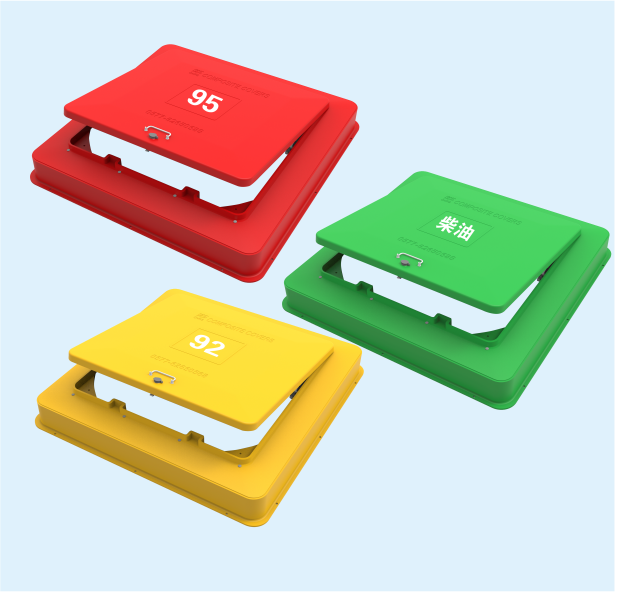
Differences between SMC, GRP and FRP manhole covers.

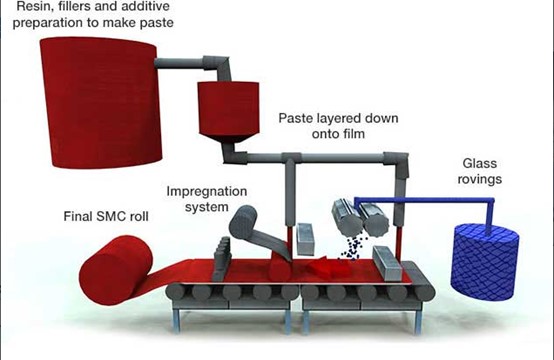
Sheet-Molded Compound (SMC): This is the newest fiberglass-manufacturing innovation, and it combines the best of the older Open-Mold Spray Up and Resin-Transfer Molding (RTM) methods. The SMC method starts with a putty-type mixture of glass fibers and resin that is formed into sheets that can be molded to meet the specific end-user needs for the end product’s length, shape and density. The sheets are cut to the size and shape needed, then placed in a mold and pressed into shape. That part has the highest level of consistency available and providing smooth surfaces on both sides of the part, making it the premier way to produce large quantities of GRP/FRP parts in a short time.The SMC method is a ideal for high-volume parts requiring consistent end results.
Manufactured according to BS EN 124-5:2015, SMC composite manhole covers can meet the different load-bearing requirements of different road traffic areas.
SMC composite manhole covers are applicable to manhole tops and gully tops for use in
— areas which can only be used by pedestrians and pedal cyclists (class A 15),
— pedestrian areas and comparable areas, car parks or car parking decks (class B 125),
— the area of kerbside channels of roads which, when measured from the kerb edge, extends a maximum of 0.5 m into the carriageway and a maximum of 0,2 m into the pedestrian area (class C 250),
— carriageways of roads (including pedestrian streets), hard shoulders and parking areas, for all types of road vehicles (class D 400).
We will special introduce the SMC material in the next update, please stay tuned.
What is the SMC material?
GRP Manufacturing Processes