GRP Manufacturing Processes
1.Open-Mold Spray Up: Also known as “chop and spray,” this method utilizes a specialized spray gun with a bottle of resin to apply a pre-mixed, spooled fiberglass strand to a single-sided mold. In addition to its low cost, the main benefit of this method is that it is easier to produce parts that are of an irregular shape (not circular or square), as well as parts that are not meant to have an airtight or watertight seal or bear heavy loads and forces. The main drawback is that a part can only be produced with one smooth side and the thickness can be less consistent than those produced by other methods.
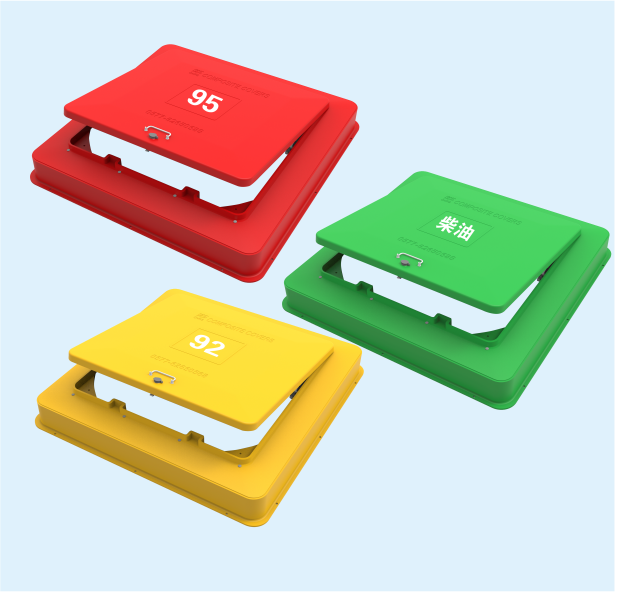
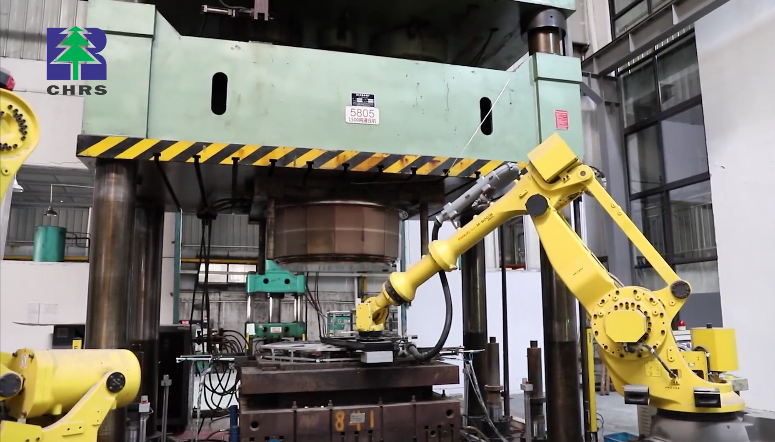
2.Resin-Transfer Molding (RTM): This construction method uses a composite of glass fibers and resin that is packed into a mold, with the glass providing tensile strength and the resin contributing compressive strength to the finished product. To ensure a smooth, consistent finish on both sides of the object, all of the fiberglass fibers must be fully saturated with the resin. This method is effective in developing dense, compact layers of fiberglass for objects that need to bear heavy loads or repeated high-force events, like forecourt manhole covers. The drawbacks to this method come in the actual manufacturing process itself, which requires expensive tooling and a large hydraulic press to ensure a strong bond between the two halves of the mold.
3.Vacuum-Assisted Resin Transfer Molding (VA-RTM): This evolutionary stage in the RTM method uses a vacuum to pull, rather than push, the resin into the fiberglass. This creates a better seal without the need for a large, expensive hydraulic press. The finished walls of a VA-RTM product are also incredibly smooth, which makes it easier to attach other components to it, while there are no holes or pores that can adversely affect sealing capabilities. The biggest challenge with this method is the maximum amount of force that can be generated by a vacuum limits the amount of fiberglass that can be permeated by the resin, which restricts the load-bearing properties of the finished product and the overall range of different products it can be used in.
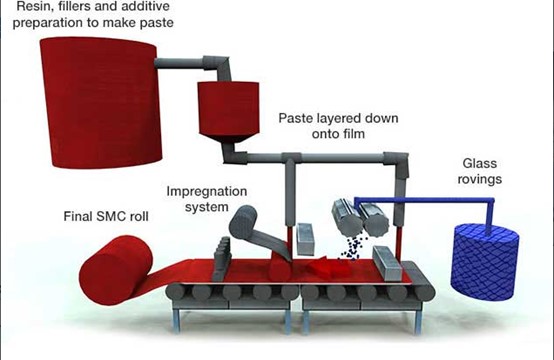
4.Sheet-Molded Compound (SMC): This is the newest fiberglass-manufacturing innovation, and it combines the best of the older Open-Mold Spray Up and Resin-Transfer Molding (RTM) methods. The SMC method starts with a putty-type mixture of glass fibers and resin that is formed into sheets that can be molded to meet the specific end-user needs for the end product’s length, shape and density. The sheets are cut to the size and shape needed, then placed in a mold and pressed into shape. The result is a part that has the highest level of consistency available and providing smooth surfaces on both sides of the part, making it the premier way to construct a high number of consistently shaped and formed parts over a short period of time. The main drawbacks to the SMC method are the need for a large hydraulic press and the high initial tooling cost and capital expense. SMC is ideal for high-volume parts requiring consistent end results.
Differences between SMC, GRP and FRP manhole covers.